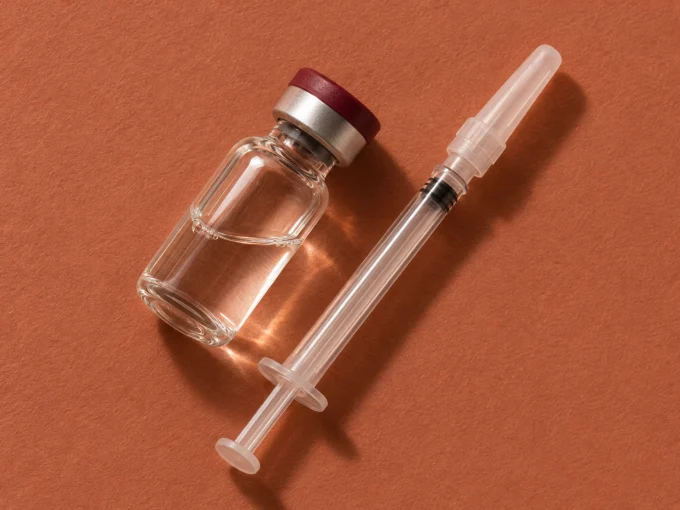
What testosterone enanthate (enantate) is, how it compares with cypionate, Sustanon and Nebido, and what prescribed treatment and monitoring involve.

Testosterone enanthate, spelt enantate in UK product information, is a short-acting injectable form of testosterone used to treat confirmed testosterone deficiency. Unlike cypionate, it has UK product information. As with any TRT, the important questions are why it suits you, how the dose is set and how it will be monitored.
Enanthate is an ester attached to testosterone that slows its release from an oily injection into muscle. The UK product contains 250 mg of testosterone enantate per 1 ml ampoule, equivalent to about 180 mg of testosterone, dissolved in castor oil with benzyl benzoate. The UK Summary of Product Characteristics (SmPC) sets out how the licensed product should be given and monitored.
According to the SmPC, after a 200 mg injection testosterone peaked at around 24 hours and stayed in the physiological range for about 11 days, with a blood half-life of 2 to 3 days. In practice that means a peak in the first day or two, followed by a gradual fall until the next dose.
That rise and fall explains why some men notice symptoms returning towards the end of a long interval, and why the timing of blood tests matters. A sample taken the day after an injection will look very different from one taken just before the next.
None of these is "best" for everyone. Our gel versus injections guide explains the trade-offs.
The UK SmPC suggests 250 mg every 2 to 3 weeks to start, then 250 mg every 3 to 6 weeks for maintenance, adjusted to individual needs. Your prescriber uses this as a starting point and then adjusts to your blood results and symptoms.
Some clinicians prefer smaller, more frequent injections of short-acting esters to reduce peaks and troughs. That is a clinical decision for your prescriber, not something to change yourself. Read how TRT doses are set for more detail.
Online products labelled "Test E 250" or "Test E 300" are not UK-licensed medicines. Their content and sterility cannot be relied on, and the doses discussed alongside them are often well above replacement levels. Our guide to TRT versus anabolic steroids explains the difference.
The SmPC lists androgen-dependent cancer of the prostate or male breast, raised blood calcium, past or present liver tumours and a kidney condition called nephrosis as reasons not to use it, along with allergy to any ingredient. Other conditions, such as a high red cell count, untreated severe sleep apnoea or heart failure, need careful assessment before any form of TRT.
The SmPC advises checking testosterone before starting and at the end of an injection interval, and monitoring haemoglobin and haematocrit, liver function and cholesterol during long-term treatment, with prostate checks. In practice, monitoring usually covers:
Read our TRT side-effects guide for what monitoring looks for.
Side effects are similar to other forms of testosterone. They can include acne or oily skin, fluid retention, breast tenderness, mood changes, injection-site pain, a rise in haematocrit and smaller testes. Oily injections can rarely cause a brief bout of coughing or breathlessness during or just after the injection, one reason the SmPC says the injection should be given extremely slowly. Tell your clinic about any new or persistent symptoms.
Testosterone enanthate is licensed for injection into muscle. If you are taught to inject yourself, use a new sterile needle each time, rotate sites and dispose of needles in a sharps bin. Our guide to testosterone injection sites covers technique and warning signs of infection.
Yes. Like other forms of testosterone, enanthate suppresses the signals that drive sperm production. Discuss fertility plans before starting. Options such as hCG alongside TRT may be considered, and our TRT and fertility guide explains the choices.
Testosterone levels rise within a day of an injection, but symptoms improve over weeks to months. Libido often changes first, while body composition takes longer. Read how long TRT takes to work for a realistic timeline.
A vial price and a monthly care plan are different things. Compare quotes that show the medicine, consultations, blood tests and any extras. Our TRT cost guide compares published UK prices. To start an assessment, check your testosterone, or if you are already prescribed injections elsewhere, book a free switch consultation.
Yes. A testosterone enantate injection has UK product information, unlike testosterone cypionate, which is generally unlicensed here.
They are very similar short-acting esters. The main practical difference in the UK is licensing. Your prescriber chooses based on your needs, availability and response.
The UK product information suggests 250 mg every 2 to 3 weeks at first, then every 3 to 6 weeks for maintenance, adjusted to your blood results. Some clinicians use smaller, more frequent doses to keep levels steadier.
A label used on unlicensed products sold online, usually meaning 300 mg/ml. These are not regulated UK medicines, and their contents cannot be relied on.
It can. Short-acting injections are more often linked with a rise in haematocrit than gels, which is why blood counts are checked regularly during treatment.