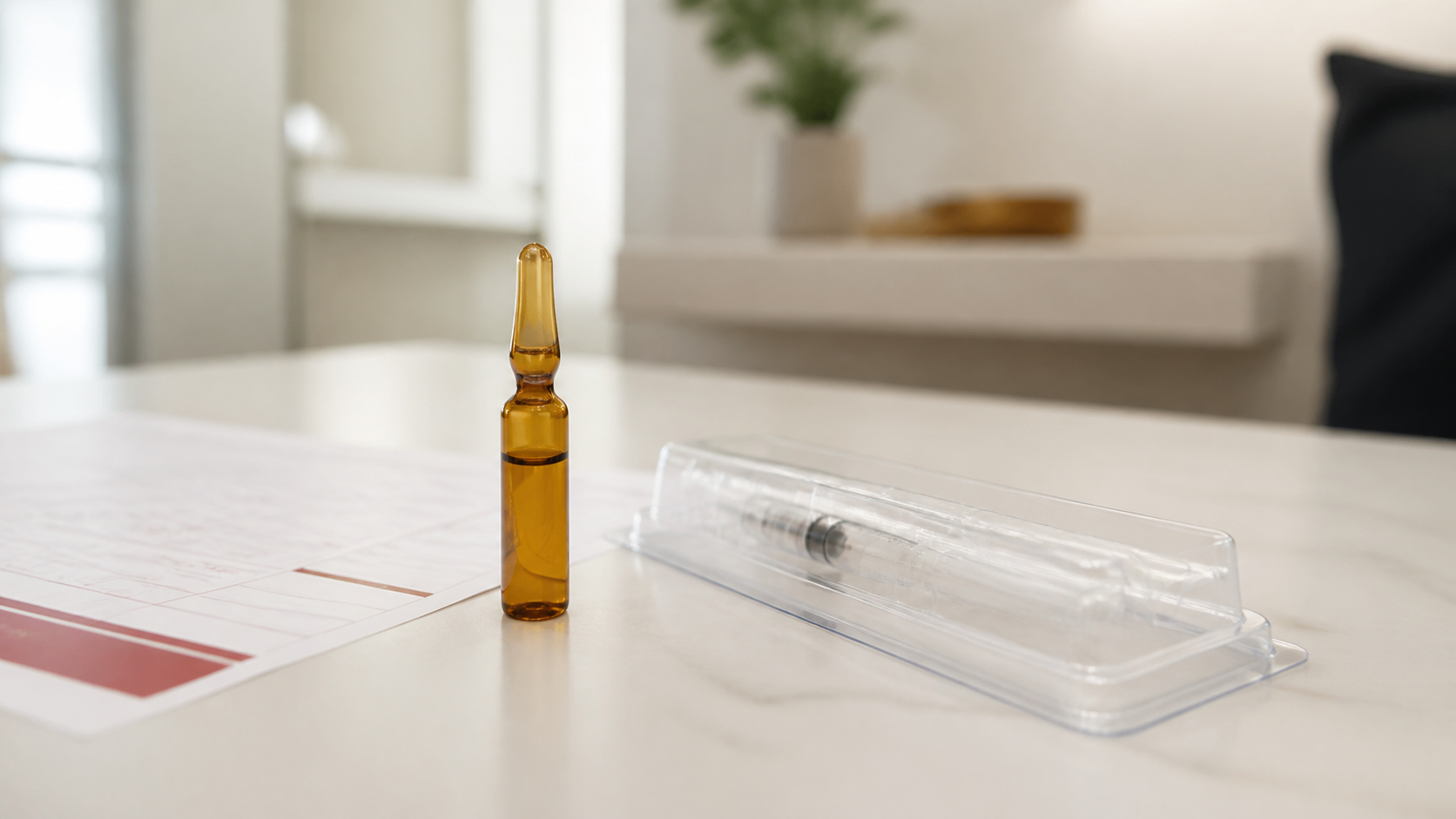
The muscle and under-the-skin sites used for testosterone injections, how to rotate them, and the signs that mean you should get help.

Most testosterone injections are given into a large muscle: the side of the hip or buttock, the outer thigh or, for small volumes, the shoulder. Some short-acting injections are prescribed under the skin instead. The right site depends on your medicine, the volume, your body and the training you have received. This guide explains the options; it does not replace hands-on instruction from your clinical team.
If you are prescribed injections to give yourself, ask for a demonstration and supervised first injection. Follow the instructions for your exact product.
Testosterone injections in the UK are oil-based and most are licensed for injection into muscle. The common sites are:
Long-acting testosterone undecanoate (Nebido) is a large-volume injection given slowly into the buttock by a healthcare professional. The UK product information asks for it to be injected very slowly because of the risk of a rare reaction involving oil reaching the lungs.
Some prescribers use subcutaneous injections of short-acting testosterone into the fat of the abdomen or thigh, with a smaller needle. Small studies suggest this can produce levels comparable to intramuscular injection, and some people find it easier. In the UK this route is usually outside the product licence, so it should only be used if your prescriber recommends it and explains why. Do not switch route on your own.
Using the same spot repeatedly can cause soreness, lumps or scarring in the tissue. Keep a simple log of the date and site of each injection and move between sides and sites as your clinician advises. Avoid skin that is bruised, scarred, inflamed or tattooed over the exact spot.
Warming the vial in your hand and injecting slowly can make oily injections more comfortable. Some aching for a day or two is common, particularly with larger volumes.
Contact your clinical team or NHS 111 if an injection site becomes increasingly red, hot, swollen or painful, leaks pus, or you develop a fever. These can be signs of infection or an abscess.
Call 999 or go to A&E if you have sudden breathing difficulty, chest pain or collapse, or signs of a severe allergic reaction. A brief cough or breathlessness straight after an oil-based injection can occur; seek urgent help if it does not settle quickly. Read our TRT side-effects guide for the wider safety picture.
Injections avoid the daily routine and skin-transfer risk of gel, but they need a schedule, safe technique and correctly timed blood tests. If you dislike needles, gel is a well-established alternative. Compare both in our gel versus injections guide and see how TRT doses are set.
Considering TRT? Check your testosterone to start your assessment. Already injecting under another provider? Book a free switch consultation.
There is no single best site. The side of the hip, upper outer buttock and outer thigh are common choices for injection into muscle. Your clinician recommends a site based on your medicine, the volume and what you can reach safely.
Either the side of the hip (ventrogluteal) or the upper outer quarter of the buttock (dorsogluteal). Ask for a demonstration first: injecting too low or too central risks the sciatic nerve.
Yes, the middle third of the outer thigh is a common self-injection site because it is easy to see and reach. Rotate between legs and positions as your clinician advises.
Mild aching for a day or two is common. Increasing redness, heat, swelling, pus or fever are not normal and need prompt medical advice.
Some prescribers use under-the-skin injections of short-acting testosterone. In the UK this is usually outside the product licence, so only do it if your prescriber recommends it.