
AT-HOME TESTOSTERONE TEST
Finger-prick kit and prepaid return
Laboratory analysis by Viva Health Labs
Clinician-reviewed report in 2–5 working days
£29.99 one-off · free delivery




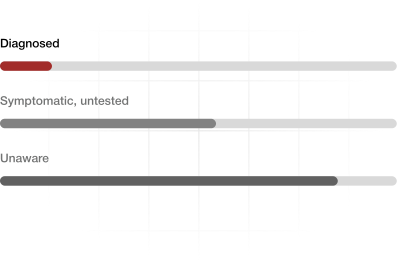
Sex drive, erections, energy, recovery and mood can all change. But symptoms alone cannot confirm the cause.Source: EAU guidance on symptoms.
Diagnosis combines your symptoms with low morning testosterone on two separate blood tests.Source: EAU diagnostic guidance.
A low result needs confirmation. A clinician can review your symptoms and advise on repeat morning blood tests or a wider blood panel to understand the cause.
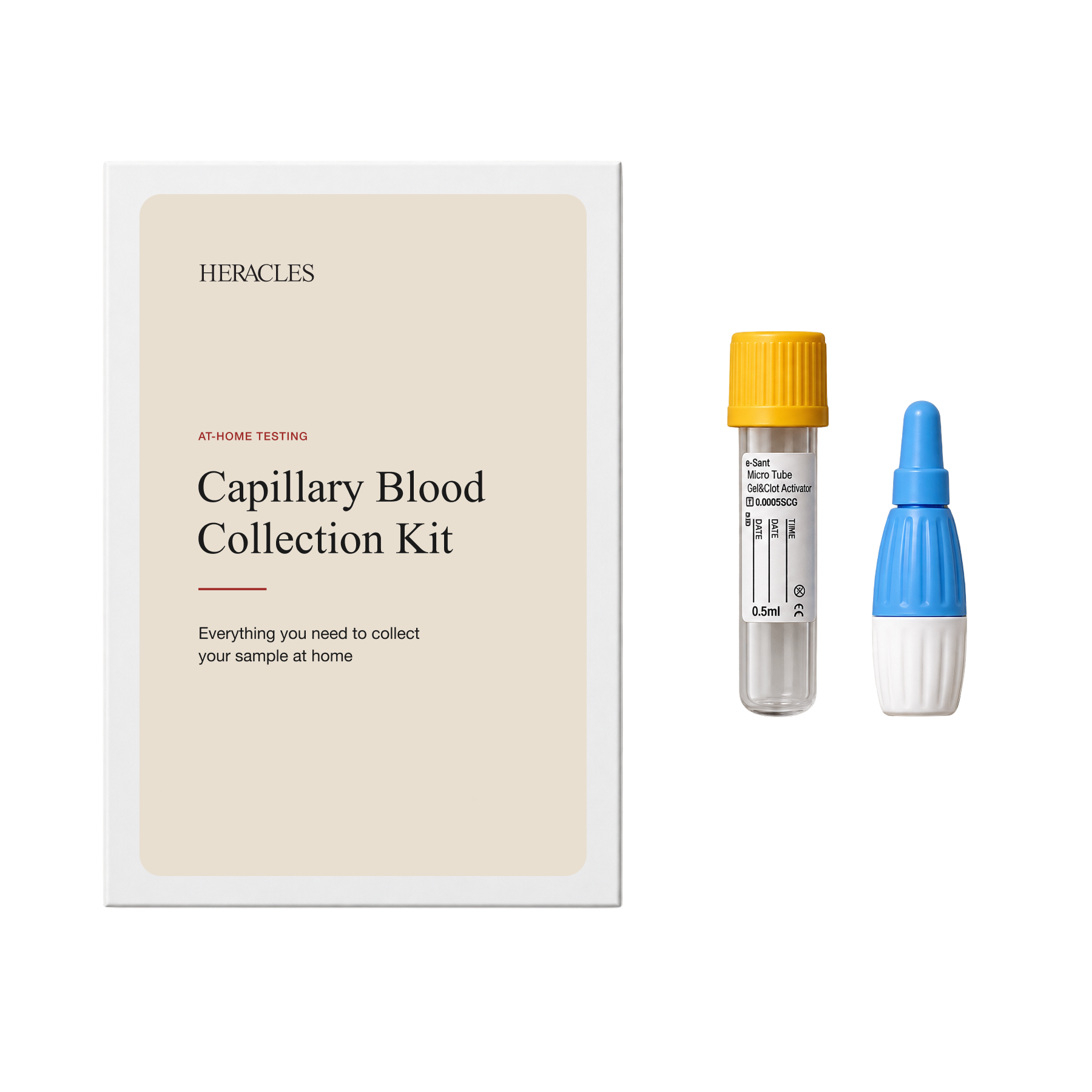
Your report covers total testosterone, free testosterone, SHBG and albumin. The £29.99 one-off price includes a finger-prick kit, free delivery, prepaid return, analysis by Viva Health Labs and a clinician-reviewed report in 2–5 working days.

How your testosterone test works
Order your test - £29.99
A finger-prick kit with free delivery and prepaid return.
Check your levels at home
Start with a morning testosterone test and health assessment.
Get a clinician-reviewed report
Your report covers total testosterone, free testosterone, SHBG and albumin.
Understand your result
A normal result gives you a baseline. Borderline or low results may need further testing.
Choose your next step
Discuss a low or borderline result with a clinician. Your symptoms, medical history and any repeat tests help determine the appropriate next step.

Understanding your results
Get a clinician-reviewed report showing your testosterone levels and what they mean.

01
Your assessment and results go to a doctor who reviews them in context.

02
When deeper expertise is needed, your case reaches the relevant specialist.

03
Your results stay together so meaningful change can be seen over time.
Our clinical team








Testimonials

Testosterone guides

When to test and how your results are interpreted.
Read guide →
What total testosterone, free testosterone and SHBG tell you.
Read guide →
Understand the symptoms, possible causes and steps to diagnosis.
Read guide →Low testosterone—also called testosterone deficiency or hypogonadism—is diagnosed when relevant symptoms are supported by repeatedly low morning testosterone results. One low result is not enough.Source: EAU definition and diagnosis.
Lower sex drive, fewer morning erections and erectile difficulties are the most specific signs. Lower energy, strength, motivation or concentration can also occur, but these symptoms have other possible causes.Source: EAU guidance on symptoms.
This finger-prick test is an initial check, not a diagnosis. Low or borderline results may need confirmation with morning venous blood tests and a clinical assessment.
A borderline result may need repeating or investigating with a wider blood panel. If your result is normal but symptoms persist, discuss other possible causes with your clinician.
Discuss your report with a qualified clinician. One low result does not confirm a diagnosis. Repeat morning blood tests and a review of your symptoms and medical history may be needed before deciding what to do next.
Clinically reviewed by Peter Grice, Heracles Clinical Lead · September 2026